


If you’re planning a renovation or simply dreaming about new floors, chances are you’ve come across engineered wood flooring. It’s one of the most popular choices for UK homes—and for good reason. It looks just like real hardwood, it’s durable, versatile, and fits beautifully into almost any room in the house.
But what exactly is engineered wood flooring? How does it compare to solid wood? And what should you look for when choosing the right one for your home?
In this all-in-one guide, we’ll break down everything you need to know to shop with confidence and choose a floor that fits your space, style, and budget.
What Is Engineered Wood Flooring?
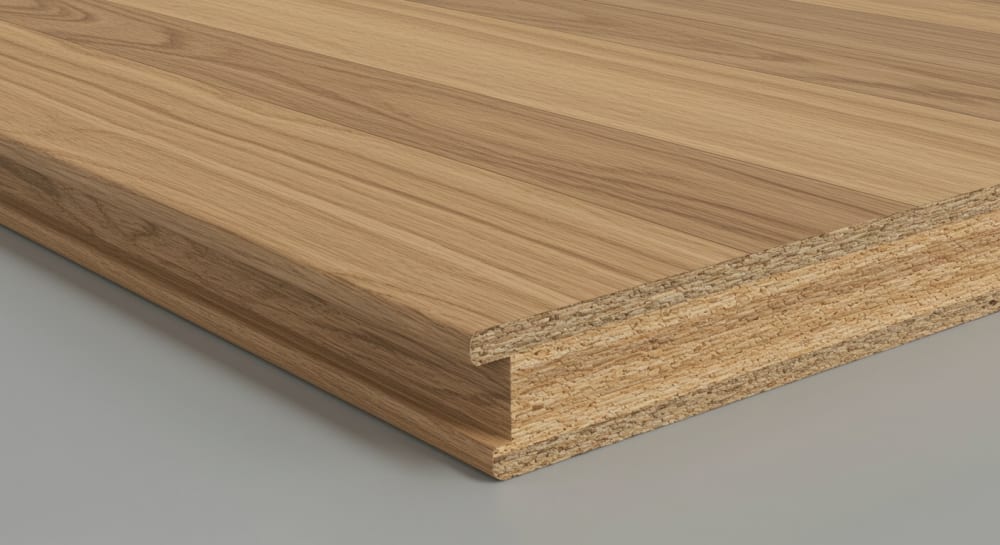
Engineered wood flooring is made from multiple layers of wood, topped with a layer of real hardwood. This top layer—called the wear layer—gives it the natural beauty of solid wood, while the base layers add strength and stability.
Unlike laminate or vinyl, engineered flooring contains genuine wood throughout, just in a more practical, layered construction. That makes it both a smart and stylish choice for modern homes.
How It’s Made
Here’s a quick look at the typical structure of engineered wood flooring:
-
Top Layer: A veneer of real hardwood (usually oak or walnut), usually 2–6mm thick.
-
Core Layers: Several layers of plywood or high-density fibreboard (HDF), laid in alternating directions to enhance strength.
-
Backing: A final layer that stabilises the board and adds moisture resistance.
This clever construction means engineered wood handles changes in temperature and humidity far better than solid wood—making it ideal for kitchens, basements, and rooms with underfloor heating.
Key Benefits of Engineered Wood Flooring
✅ Real Wood Appearance
You get all the beauty and texture of hardwood—knots, grains, and natural variations included.
✅ Greater Stability
Thanks to its layered construction, engineered wood is less likely to expand, contract, or warp with seasonal changes.
✅ Underfloor Heating Compatible
Unlike solid wood, engineered planks work brilliantly with underfloor heating systems, especially when fitted with the correct underlay.
✅ Wide Range of Finishes
From brushed and oiled to lacquered, distressed, or even herringbone patterns, there’s a style to suit every home.
✅ Budget-Friendly Options
With prices starting under £30 per m², you can enjoy high-end looks without the high-end price.
Where Can You Use It?
Engineered flooring is suitable for nearly every room in the home, including:
-
Living Rooms: Add warmth and charm.
-
Bedrooms: Create a cosy, elegant atmosphere.
-
Kitchens: Moisture resistance and easy cleaning make it a smart choice.
-
Hallways: Withstand heavy foot traffic and make a great first impression.
-
Basements & Lofts: Ideal for areas with temperature fluctuations.
It’s also commonly used in home offices, conservatories, and open-plan living areas thanks to its versatility and natural good looks.
Common Wood Species
At Flooring365, we specialise in two of the most popular and reliable wood species:
Oak
Classic, durable, and incredibly versatile. Oak can be finished in a wide range of tones and textures—from light Scandinavian styles to rich, rustic looks.
Walnut
Luxurious and sophisticated. Walnut offers deep, warm tones and dramatic grain patterns, perfect for statement rooms.
Choosing the Right Thickness
Engineered wood flooring comes in various thicknesses, typically ranging from 10mm to 20mm. Thicker boards generally offer:
-
A sturdier feel underfoot
-
A thicker wear layer for future refinishing
-
Better acoustic insulation
For most homes, 14mm–18mm is ideal. Thinner boards (10mm–13mm) are great for upstairs rooms or where floor height needs to be considered. Thicker boards (18mm–20mm) are best for high-traffic areas or long-term value.
Installation Options
You can install engineered flooring in a few different ways:
Click Lok System
Perfect for DIYers. The boards click together easily without glue, ideal for floating installations over underlay.
Tongue & Groove
A more traditional method. Boards are glued or nailed down, offering extra stability—especially good for kitchens or larger spaces.
Whichever you choose, engineered wood is faster and easier to install than solid wood—and often more forgiving.
Maintenance Made Simple
Engineered wood is easy to live with. Here’s how to keep it looking great:
-
Sweep or vacuum regularly to remove dust and grit.
-
Use a slightly damp mop (never soaking wet) with a wood-safe cleaner.
-
Wipe up spills promptly to avoid damage.
-
Use rugs and felt pads to protect high-traffic and furniture-heavy areas.
-
Refresh oiled floors every year or two for long-lasting beauty.
Depending on the wear layer, you may even be able to sand and refinish your floor once or twice over its lifetime.
Engineered vs Solid Wood
Still wondering how engineered wood compares to solid hardwood? Here’s a quick comparison:
|
Feature |
Engineered Wood |
Solid Wood |
|
Real Wood Surface |
✅ Yes |
✅ Yes |
|
Moisture Resistance |
✅ High |
❌ Low |
|
Underfloor Heating |
✅ Compatible |
❌ Not Recommended |
|
Cost |
✅ More Affordable |
❌ More Expensive |
|
Sanding Potential |
✅ Limited (1–2 times) |
✅ Unlimited |
Unless you’re restoring a period property or need ultra-thick planks, engineered wood is the more flexible and family-friendly option.
Final Thoughts
Engineered wood flooring offers the perfect blend of beauty, practicality, and long-term value. With the look of solid wood and the strength to handle modern life, it’s a fantastic investment for any home.
Whether you’re styling a sleek new kitchen, upgrading your hallway, or adding comfort to your bedroom, there’s an engineered floor that fits the job perfectly.
Browse our full collection at Flooring365.co.uk to discover finishes, thicknesses, and styles that suit your space—and fall in love with real wood flooring that works hard for your home.


Please complete your information below to login.