


Whether you're renovating your home or planning a fresh interior project, choosing the right flooring can feel overwhelming. Engineered wood flooring is one of the most popular and practical options on the market today—but what exactly is it?
In this beginner-friendly guide, we’ll walk you through everything you need to know, from how engineered wood is made to why it could be the perfect fit for your home.
What Is Engineered Wood Flooring?
Engineered wood flooring is a type of real wood flooring that combines a hardwood veneer with multiple layers of plywood or high-density fibreboard (HDF). Unlike solid wood flooring, which is made from a single plank of timber, engineered wood is constructed in layers, giving it greater stability and resilience.
The top layer—the part you walk on—is real hardwood. This means you get all the natural beauty and warmth of solid wood, but with added durability and resistance to changes in temperature and humidity.
How Is It Made?
The manufacturing process behind engineered wood flooring is quite clever. It starts with a thin layer of hardwood, usually between 2mm and 6mm thick. This sits on top of several layers of wood (often birch or poplar plywood), which are bonded together in a cross-grain pattern.
This cross-layered construction reduces the movement of the wood, making engineered planks less likely to expand or contract. It’s this stability that makes engineered wood so versatile—it’s suitable for underfloor heating, conservatories, and even basements.

Engineered vs Solid Wood: What’s the Difference?
Both flooring types feature genuine hardwood, but their structure makes them quite different:
-
Stability: Engineered wood resists warping and shrinking far better than solid wood.
-
Installation: You can install engineered planks as a floating floor or glue/nail them down. Solid wood usually requires nailing.
-
Refinishing: Depending on the thickness of the top layer, engineered wood can be sanded and refinished once or twice. Solid wood can handle more refinishings, but most people don’t do this often.
-
Cost: Engineered wood is generally more budget-friendly without sacrificing appearance.
The Benefits of Engineered Wood Flooring
1. Real Wood Look and Feel
Because the surface is made from natural hardwood, engineered floors deliver the same look and texture as solid wood. Whether you’re drawn to the rich tones of walnut or the light elegance of oak, there’s a style to match every taste.
2. Stability and Durability
Thanks to its layered construction, engineered wood is far more stable in fluctuating temperatures and moisture levels. That’s why it's perfect for kitchens, dining rooms, or rooms with underfloor heating.
3. Easy Maintenance
Like all wood floors, engineered wood is easy to clean. A simple sweep or vacuum followed by an occasional damp mop is usually all that’s needed. Just remember to avoid soaking the floor with water—wood and puddles don’t mix!
4. Eco-Friendly Options
Many engineered wood products are made using sustainable timber sources and low-VOC finishes, making them a greener choice. Since only a thin slice of hardwood is used, more of the tree is preserved.
Where Can You Use It?
One of the greatest strengths of engineered wood is its versatility. Here are just a few places where it shines:
-
Living Rooms: Add warmth and character to your main living space.
-
Bedrooms: A natural wood floor adds a cosy, luxurious feel.
-
Hallways: Durable enough to handle heavy foot traffic.
-
Kitchens: Just be mindful of spills and clean them up quickly.
-
Basements and Conservatories: Thanks to its moisture resistance, engineered wood works where solid wood wouldn’t dare.

Different Finishes and Styles
When it comes to choosing your engineered floor, you’ll be spoilt for choice. Here are a few options to consider:
-
Brushed and Oiled: A soft, matte finish that enhances the grain and feels wonderfully natural underfoot.
-
Lacquered: Offers a smoother, glossier appearance and extra resistance to wear.
-
Hand-Scraped: Designed to mimic the look of reclaimed or vintage wood.
-
Herringbone Patterns: For a classic, high-end aesthetic.
Engineered wood also comes in a variety of board sizes, colours, and grades—from rustic charm to ultra-modern minimalism.
Installation: DIY or Professional?
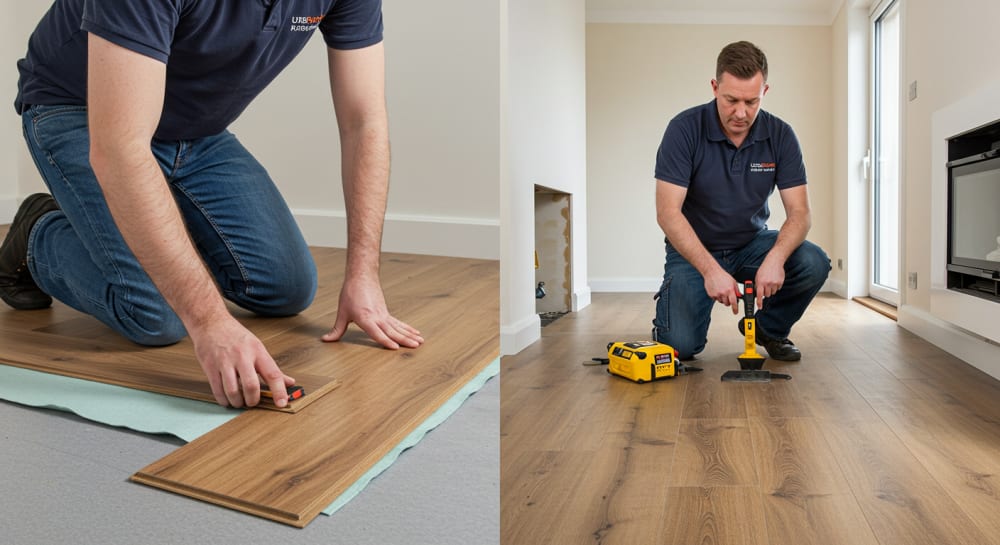
Installing engineered wood flooring is generally easier than solid wood, especially if you go with a click-lock system. That said, if you're dealing with a large area or intricate layout, it might be worth calling in a professional.
Some engineered floors can be floated over underlay, while others may require gluing or nailing. Be sure to check the manufacturer's instructions—or ask us for advice.
Looking After Your Floors
To keep your floors looking their best, follow a few simple tips:
-
Use doormats to reduce dirt and grit.
-
Avoid dragging heavy furniture—use felt pads on the legs.
-
Wipe up spills immediately.
-
Keep indoor humidity levels stable (between 40–60% is ideal).
With just a little care, engineered wood flooring can last for decades, adding value and beauty to your home.
Is It Right for You?
Engineered wood flooring is an excellent choice for almost any home. It offers the timeless appeal of real wood without many of the drawbacks of solid timber. It’s stylish, practical, and kinder on the budget than you might expect.
Plus, with a vast range of finishes, colours, and sizes available, it’s easy to find a floor that suits your lifestyle and design vision.
Final Thoughts
Whether you’re refurbishing a Victorian terrace or modernising a new build, engineered wood flooring offers a smart and stylish foundation for your space. It’s hard-wearing, beautiful, and surprisingly low-maintenance—what’s not to love?
Ready to explore your options? Browse our engineered wood flooring collection and see just how easy it is to transform your home.


Please complete your information below to login.