


So you’ve decided on solid wood flooring, but now it’s time for the lengthy decision process of choosing the right finish! Each solid wood finish is unique, and all of them have pros and cons, in terms of practicality and aesthetics. In this blog, we aim to talk you through each finish and help you determine the right one for you and your home so that you can get the most from your flooring.
Unfinished
First, let’s talk about unfinished floors. Unfinished floors are the most versatile ‘finish’ that you can opt for, as it’s not really a finish. Instead, the flooring comes to you in its most natural state, allowing you to get creative!
We find that this finish is usually most popular with designers who know exactly what it is they want from their flooring, but don’t let that stop you from choosing one. Unfinished floors are also ideal for anyone who wants to match their flooring to something particular. Whether you’re looking to match your bannister, furniture, or dado rails, unfinished floors offer you the opportunity to do so. However, it’s very important that you see the process through before installing your flooring as it will have zero protection. This is even more important with solid wood floors as they are a natural product that’s particularly susceptible to heat and moisture. Likewise, it’s important that you do not apply any finishes to an already finished floor, without the proper steps taken first. For more information on how to prepare your flooring for a refinish, visit our maintenance centre instead.
When choosing your own finish, you’ll find a wide range of oils, lacquers, and waxes on the market so we suggest doing adequate research first. You’ll want to consider if your finish is compatible with the flooring for starters. Then you’ll want to think about what type of protection your finish will offer (we’ve covered more on this below). All of this is on top of the obvious decisions like what colour you want your flooring to be!
Brushed
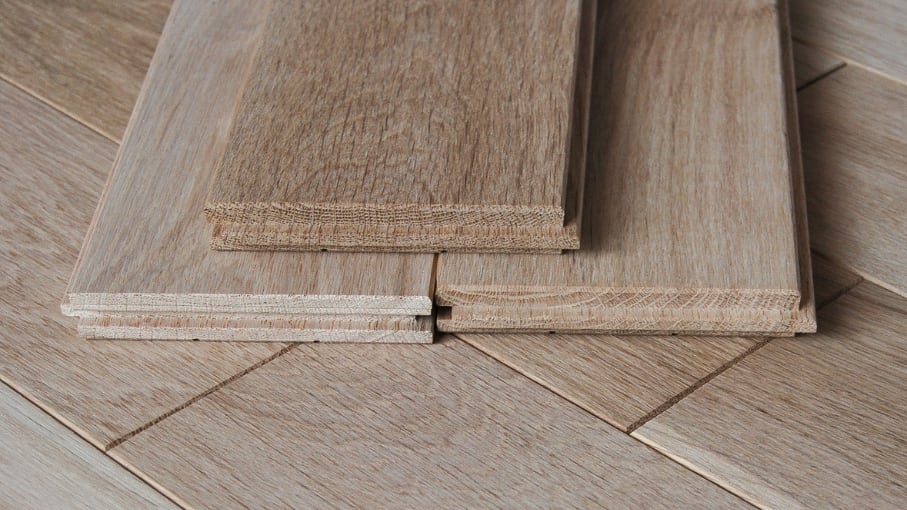
Brushed flooring has been finished using steel wire wool during production to remove the upper layer of the wood grain. Removing the soft grains of the wood and keeping behind only the hard grains leaves the flooring with a beautifully brushed texture that only enhances the naturally occurring grains and patterns. The depth of texture will vary from floor to floor, depending on the level of brushing and the species of wood.
Brushed floors will still require some protection though and this can be done using an oil or lacquer. We find that oiled finishes work better on brushed floors in terms of appearance as they allow for the floor texture to show through. However, it’s important that you know the difference between oil and lacquer and what protection they offer before making your decision.

Hand Scraped
Handscraped floors are the go-to floor for anyone who wants to embrace the antique look as they have been purposefully made to look like an old floor. Before modern machinery and technology, every wooden floor had to be scraped by hand. It was simply part of the process. Since the sanding and finishing process couldn’t be passed onto a machine, this meant a craftsman would have to spend laborious hours finishing each board. Many of these craftsmen would have spent years mastering this craft to perfection. Nowadays, this all seems a little too laborious and too expensive for most. However, as flooring experts, we find that this type of flooring is very much still in demand by a select few.
If you are looking for a unique and charming floor finish, with the underfoot feeling of an old antique floor, then handscraped floors are for you. We think that the unusual wavy finish is best complimented by lacquer however we do sell oiled handscraped floors too. Due to the way in which handscraped floors are produced, no two boards are the same. It would be impossible to make the finishes identical which we feel adds extra definition and a rustic appearance. However, it is often loved or hated, so we suggest making use of our free unlimited samples.

Aged
Aged flooring is exactly what you would expect it to be. The surface has been slightly worn to create the illusion of flooring that’s been there for a while. Rather than a new, glossy floor with minimal texture or flaws, aged floors have been made to look worn on purpose. This appearance is produced by adding light wear to the surface of the floorboards. This creates the illusion of flooring that has been laid for years.

Distressed
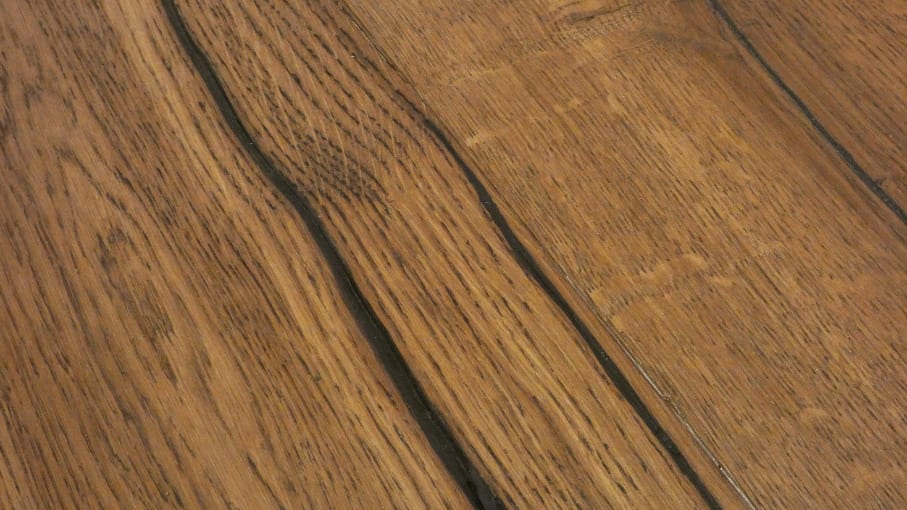
Distressed floors are the master of rustic flooring. Each distressed floor will feature an array of different textures such as bumps and scrapes, as well as emphasized knots and grains. In order to produce this finish, each board must go through a harsh yet delicate process. This often includes being lightly sanded, scuffed and marked using a tow chain before being stained with an oil or lacquer. What is left is a charming and rustic floor surface with each individual board different from the next.
This finish is ideal if you’re looking for the stability of a new wood floor, with the appearance of an antique, reclaimed floorboard.
Lacquered
Lacquer is often the most popular choice in terms of solid wood flooring finishes, but that doesn’t necessarily mean it’s the best choice for your floor. It is often chosen for its hard-wearing properties, as lacquer varnishes dry to produce a hard and durable finish for your flooring. This makes lacquer ideal for high-traffic areas of the home and will help to protect against spillages much better than an oiled finish. However, because lacquer dries as a layer that sits on top of the floor's surface, it’s often not as good at dealing with scratches and dents in the way that oil would.
Lacquer also requires a much more lengthy process in terms of refinishing your solid wood floors. So, if you do manage to damage your flooring, be prepared to have that room unusable for approximately a week. This should give enough time for your new lacquer to dry and settle after re-sanding the whole floor. You may even need longer, depending on how much furniture you need to get out of the way first. Don’t let this scare you away from lacquered floors though because if the damage is minimal you may be able to get away with a recoat rather than a refinish. For more information on how to recoat or refinish your solid wood flooring, visit our guides.
In terms of appearance, there are so many lacquers to choose from so you won’t be restricted in choice! Just take a look through some of the options below.

Gloss Lacquer
Gloss lacquer is the most common lacquer option and is often referred to as just ‘lacquer’.
Matt Lacquer
Without a finish applied, solid wood floors would not reflect at all under lighting. If you want to keep your floors looking natural rather than glossy, then you’ll want to opt for a matt finish that stops lights from bouncing off the surface of your floor. This will also help massively with any imperfections, where lighting normally highlights damage such as scuffs or scrapes. Whilst not as matt as our extra matt range, it’s still a great choice for those wanting a more natural and rustic look to their flooring, rather than a sleek and contemporary finish.

Extra Matt Lacquer
Extra matt finishes are practically invisible, as they provide zero reflection, giving the flooring a flat appearance. This allows for your solid wood flooring to flaunt its natural grains and textured appearance. We find this works best in rustic homes, but it can also provide a beautiful contrast in modern homes too.
Invisible Lacquer
Invisible lacquers are exactly what you would think. They are practically invisible, meaning you won’t be able to tell that a finish has been applied. This is the perfect option for anyone who doesn’t want to change the appearance of their flooring, but still require a durable finish. You can also get invisible oiled floors if lacquer isn't for you.
Oiled
Oiled finishes are ideal if you don’t want to take away from the current texture of your flooring. By soaking into the wood, rather than sitting on top of it, you won’t have to worry about creating a smooth and reflective layer that can take away from the charm of some flooring types. However, this does mean that your floor will be more susceptible to liquids and greater care must be taken over spillages.
When it comes to the maintenance of oiled floors, there are definitely some obvious pros and cons that come to mind. Whilst oiled floors will need maintenance more regularly (to reapply the oil and keep your flooring in top condition) they are also much easier to refinish than lacquered floors. Therefore, if you do manage to damage your solid wood floor, you won’t have to worry about sanding and refinishing the whole floor. Instead, you can sand and reapply oils to that particular spot. Another great advantage of reapplying oils is that any scratches or scuff marks are removed instantly, giving you a perfect finish once again.

In conclusion
Now that you have a thorough understanding of each finish, we hope this has helped you reach a decision. However, if you’re still unsure then take advantage of our free unlimited samples. This way, you can see for yourself which solid wood floor is right for your home. After all, we can advise on the pros and cons of each but ultimately the decision is up to you.



Please complete your information below to login.